Turn photography, artwork or branded designs into professional wall decoration. Choose a warm photo on canvas, a sharp and modern photo on panel, an interchangeable photo on textile or a luxurious canvas with floating frame. Ideal for offices, shops, hospitality interiors, showrooms and reception areas.
Custom photo products turn photographs, artwork and branded designs into professional wall decoration. The material you choose determines not only the appearance of the image, but also its texture, depth, durability and method of installation.
At Amstel Printing, you can order photographs on canvas, textile, aluminium and different types of rigid panels. Complete the presentation with a floating frame or choose an interchangeable system when you expect to update the visual later.
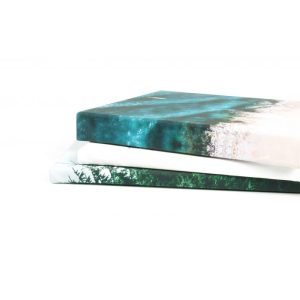
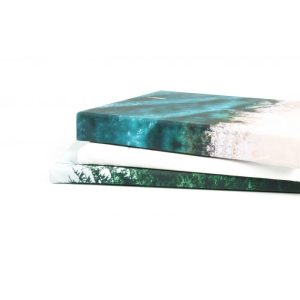
A photo on canvas gives an image a warm, slightly painterly appearance. The visible texture of the canvas softens the photograph and makes it particularly suitable for atmospheric photography, artwork, portraits and decorative interior images.
The printed canvas is stretched around a wooden frame and supplied as a complete wall product. Canvas works well in offices, restaurants, hotels, reception areas and other interiors where a softer and more traditional presentation is desired.
Keep in mind that part of the image may continue around the edges of the frame, depending on the selected finishing option. Avoid placing important text, faces or logos too close to the outer edge of the artwork.
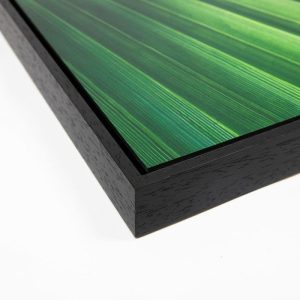
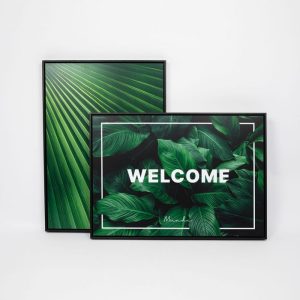
For a more luxurious version of traditional canvas, choose a canvas with floating frame. The canvas is mounted inside a black wooden frame while a narrow gap remains visible around the print. This creates depth and makes the artwork appear to float within the frame.
The visible wood grain and broad frame edge provide a warm, refined appearance. The product is delivered fully assembled and is available in five popular sizes, making it suitable for feature walls, reception areas, meeting rooms and hospitality interiors.
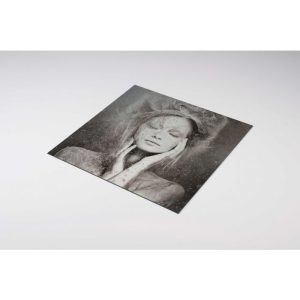
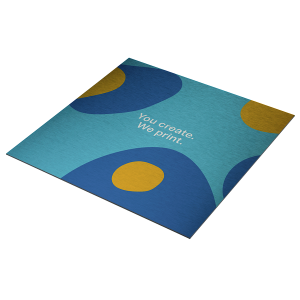
A photo on panel produces a clean and professional presentation with a smooth surface. It is suitable for photography, illustrations, information panels, company branding and artwork requiring sharp details.
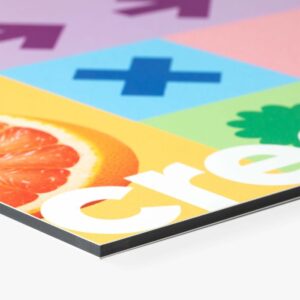
You can choose from different panel materials, each with its own appearance and practical properties:
The best choice depends on the desired appearance, location, size and mounting method. Drill holes, spacers or a concealed hanging system can be selected where available.
A panel with floating frame combines the sharp presentation of a rigid photo panel with the depth of a decorative frame. The small visual gap between the panel and frame creates a modern floating effect.
This option works particularly well for architectural photography, product photography, corporate artwork and photographs displayed in reception areas or meeting rooms. It provides a more finished and prominent presentation than an unframed panel.
A photo on textile creates a lightweight presentation with a soft, matt appearance. The printed fabric is fitted into a frame, producing a smooth and professional wall graphic.
An important advantage is that the textile print can be replaced while retaining the frame. This makes the system suitable for seasonal photography, changing collections, temporary campaigns and regularly updated company communication.
Textile is also practical for larger sizes because the print remains relatively lightweight and is easier to handle than many rigid panel materials.
A custom aluminium sign offers a sleek and professional appearance. It is suitable for photography, company signage, information panels and visual communication in modern interiors.
Aluminium panels are rigid while remaining relatively lightweight. Depending on the selected material and finish, they can be used indoors or outdoors. For a photographic application, choose the material and coating according to the required colour reproduction, surface appearance and environmental exposure.
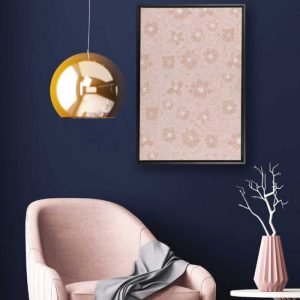
Photo products can support both decoration and business communication. Use company photography in a reception area, display completed projects in a showroom or add atmospheric imagery to a restaurant or hotel.
Retailers can use photography to reinforce a collection or brand story, while offices can display company history, core values or regional imagery. For a consistent result, coordinate the images, dimensions, frames and hanging positions across the complete space.
A single large photograph can create a strong focal point, while a series of smaller images can tell a broader story. Maintain equal spacing and use consistent formats or frames to keep a photo wall visually balanced.
For larger interior projects, combine photo products with custom wall decoration or use printed wallpaper as a background. This creates a complete interior concept instead of a collection of unrelated wall elements.
Use the original, highest-resolution version of your photograph. Images downloaded from websites, messaging services or social media are often compressed and may not contain enough detail for a large print.
Check the proportions of the image against the selected format. Cropping may be required when the photograph and product have different aspect ratios. Keep faces, logos, text and other important elements away from edges, folds, drill holes and frame zones.
View the artwork at the intended size before ordering and consult the current specifications for the selected product. If you are unsure whether the resolution or composition is suitable, contact us before production.
Not sure whether canvas, textile, aluminium or another panel material best suits your photograph and interior? We will help you choose the right product, size, frame and mounting method.
Canvas has a warm and textured appearance. A rigid panel looks sharper and more modern, while textile creates a soft, matt result and allows the print to be replaced. A floating frame adds depth and a more luxurious finish.
Canvas is a printed fabric stretched around a wooden frame and has a visible texture. A photo panel is a rigid, flatter product with a smoother surface and generally presents fine details more sharply.
A photo on textile is the most suitable option when you want to replace the image later, because the printed fabric can be changed while retaining the frame. Canvas and printed panels are generally produced as complete finished products.
Choose Forex® for a lightweight indoor panel, Dibond® for a rigid and professional finish, Butler Finish for a metallic effect, Plexiglass for a modern glossy appearance or plywood when you want the natural material to remain part of the design.
Yes. Photo products are commonly used in offices, reception areas, shops, restaurants, hotels and showrooms. They can provide atmosphere, reinforce brand identity or present products and completed projects.
The required resolution depends on the final dimensions and viewing distance. Always use the original image at the highest available resolution. Avoid screenshots and compressed images from social media or messaging applications.
Cropping may be necessary if the proportions of your image differ from the selected product format. Canvas may also require additional image area around the edges. Check the preview and keep important elements away from cutting and finishing zones.
Use a soft cloth and, where necessary, a mild cleaning product. Do not use abrasive tools or aggressive chemicals, as these may damage the print or panel surface. Plexiglass requires particular care because it is sensitive to scratches.
This depends on the selected product and configuration. Framed canvas products are generally supplied assembled. For panels, you may need to select drill holes, spacers, hanging plates or another mounting system during ordering.